The REACT team recently met for our annual consortium workshop, this year held in Harare, Zimbabwe (and expertly organised and hosted by the team from CeSHHAR).
As you may know, REACT aims to strengthen the responsiveness of the health workforce against health impacts of climate crisis, with study sites in Nepal and Zimbabwe. During our visit we were able to visit Mount Darwin, one of our two study sites (the other is Harare Local Authority), to see the impact the climate crisis is having on communities and health facilities.
Pictures of crisis
Mount Darwin is a rural district of 40 wards in Zimbabwe’s northeast. It is certainly feeling the impact of the climate crisis, with temperatures regularly soaring to life-threatening levels, especially in the lower areas of the district. Coupled with extremes of drought and flooding, and an increase in diseases such as malaria and cholera, it is clear why communities are concerned for theirs and their children’s futures.
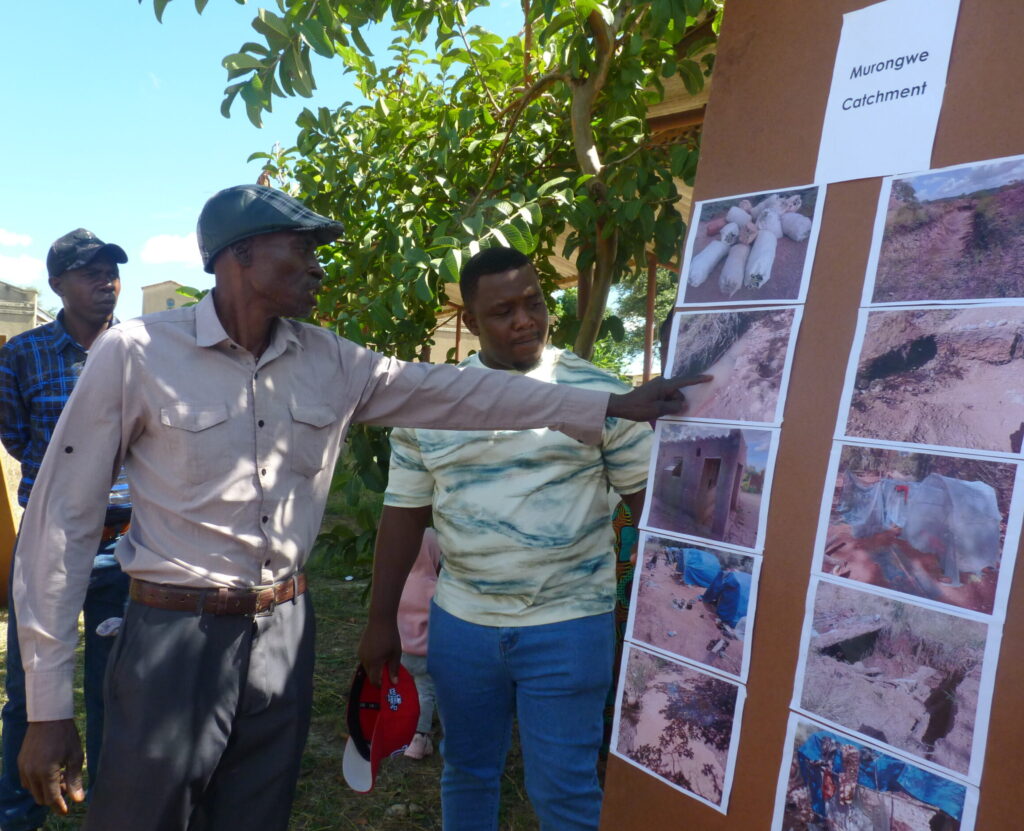
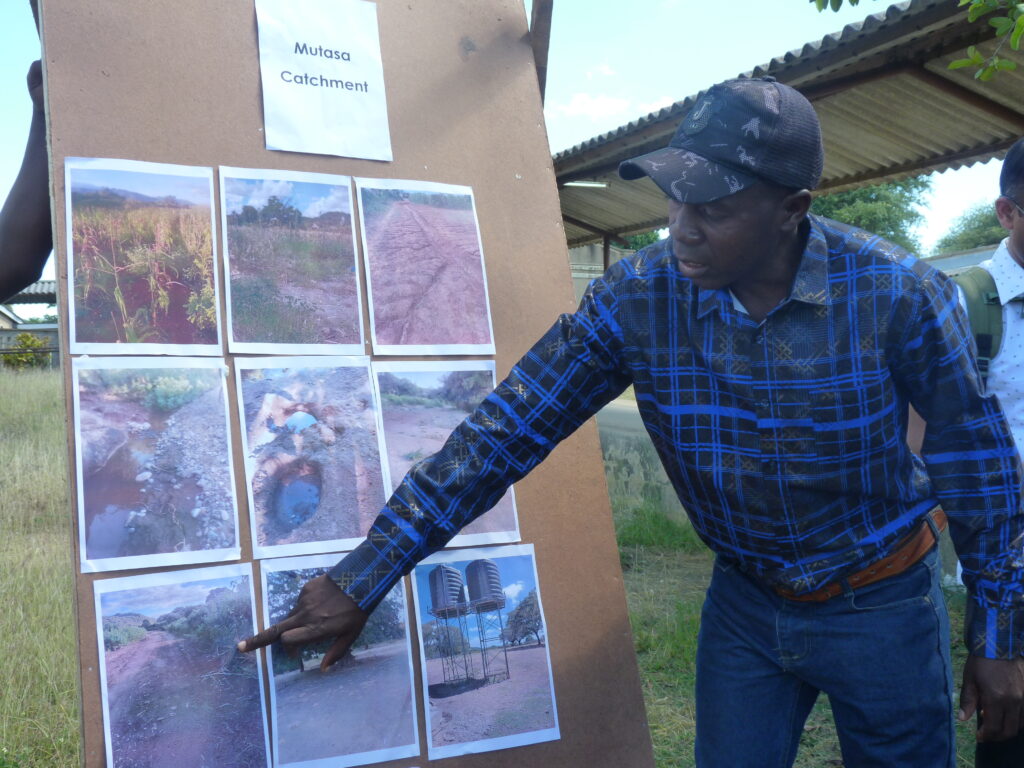
Our visit began with an exhibition of photovoice displays, produced by people from local clinics and catchments. The photographs were simply presented but eloquently told their presenters’ stories. We saw roads and bridges rendered impassable by floods, drought and fallen trees, hampering those seeking health care and those trying to provide it. Streams already dry after the rainy season and stagnant water sources, shared by animals and humans, now breeding grounds for insects and disease. A shortage of bikes means health workers have to walk in baking heat to reach patients. Crops are dying in the fields, leaving people unable to feed their families or earn a living. Several also spoke of the brick ovens which dry locally-grown tobacco and which many people blame for poor air quality and sickness.
However, we also heard about adaptations – some more successful than others. Water is being stored in ceramic containers in the ground to keep it cool. New boreholes have been dug. People are sleeping outdoors to escape the punishing heat indoors, however that also exposes them to mosquitos and snakes.
Karanda Mission Hospital
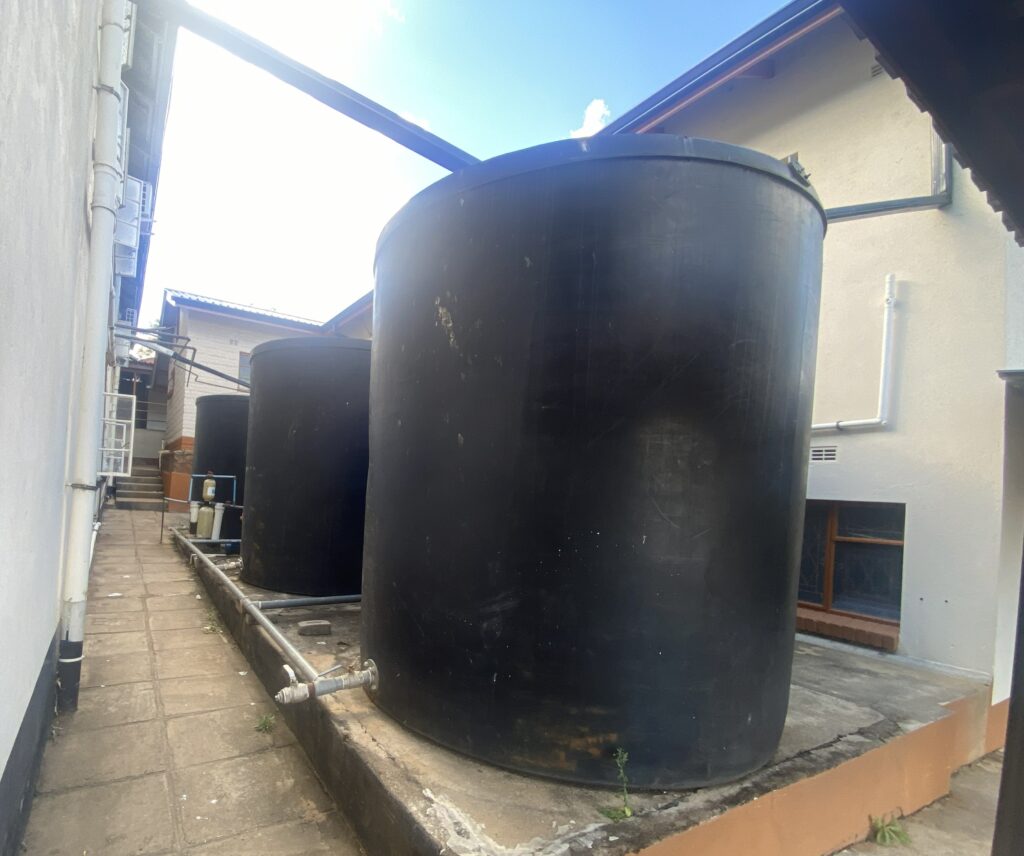
We also visited the largest health facility in Mount Darwin, Karanda Mission Hospital. About 200 patients per day arrive from all over Zimbabwe to be treated for a variety of conditions, with an increase in malaria, diarrhoea and dehydration cases in recent years being attributed to the climate crisis. Severe malnutrition amongst children and those who are immunocompromised is also on the rise, with a Canadian charity stepping in distribute food to those most in need.
The climate crisis is also having an impact on the health workforce. Staff do not want to work in such hot places, preferring to move south to slightly cooler climes, with implications for patients and their treatment.
A desperate picture
Amon Dhlana, the District Nursing Officer for Mount Darwin, gave an overview of some of the challenges facing his area in a short film (watch here). He spoke of rainy seasons where roofs are lifted from buildings, followed by dry seasons where workspaces are so hot that staff leave their jobs to escape the heat. He told us about pregnant women travelling great distances and arriving for their confinement dehydrated and sick – a lack of clean water and dry bore holes compounding their plight.
In summary, the REACT team clearly saw some of the climate-related challenges faced by the communities and health facilities of Mount Darwin. We left determined that the interventions we will co-create with local people in the coming months will have a positive impact on their health and wellbeing.