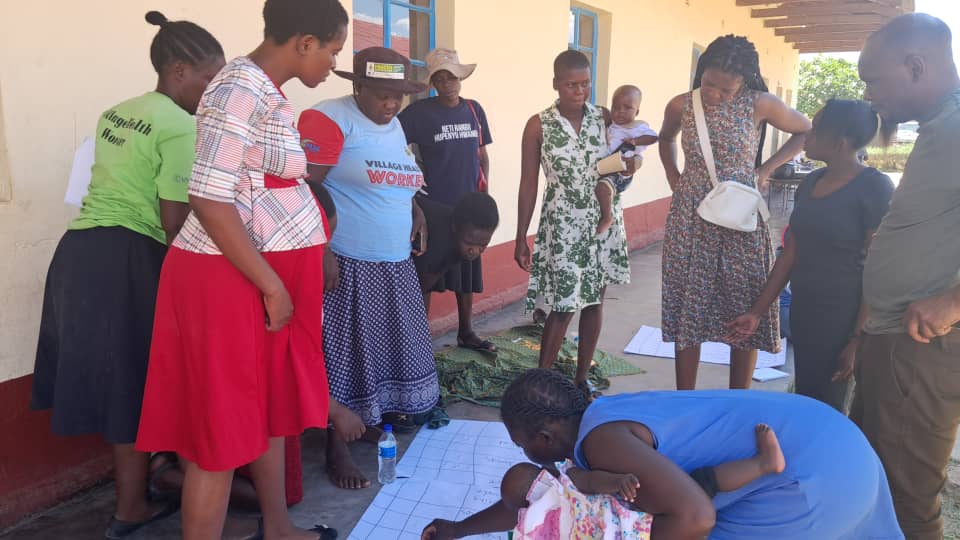
Calvin Kunaka, a researcher and PhD student from CeSHHAR, writes on the topic of his study – gender, climate change, and health workforce dynamics – and explores why this research is so sorely needed.
When Cyclone Idai devastated Zimbabwe in 2019, health facilities were destroyed, roads became impassable, and the health system faced unprecedented strain. Among those who kept working through the chaos were thousands of nurses and community health workers, predominantly women, wading through floodwaters, sleeping in damaged facilities, and treating patients while worrying about their own families’ safety.
Half a world away in Nepal, when monsoon floods regularly displace communities and trigger disease outbreaks, it’s often female community health volunteers who become the first responders, navigating muddy mountain paths to reach isolated villages. These aren’t isolated stories. They reveal a critical but often overlooked reality: gender sits at the very heart of how climate change impacts health systems and the people who keep them running. Understanding this nexus where gender, climate, and health workforce dynamics intersect isn’t just important. It’s essential for the future of global health.
Why this research matters now more than ever
The sobering reality is that women make up roughly 70% of the world’s health workforce, yet they’re consistently underrepresented in leadership positions and decision-making roles. At the same time, climate change is creating unprecedented health challenges, from the spread of vector-borne diseases to heat-related illnesses, from malnutrition due to crop failures to mental health crises following extreme weather events. Zimbabwe and Nepal exemplify this perfect storm. Both countries face severe climate impacts, devastating droughts and cyclones in Zimbabwe, catastrophic flooding and landslides in Nepal. Both have health systems already stretched thin by resource constraints. And both have health workforces where gender dynamics profoundly influence who does what, who gets promoted, who stays, and who leaves.
Understanding these intersections matters for several critical reasons. First, climate change is already driving health workforce migration, with healthcare workers leaving rural and climate-vulnerable areas for safer locations. When we don’t account for how gender shapes these decisions, women often face additional barriers to mobility due to caregiving responsibilities, safety concerns, and social norms. We miss crucial pieces of the retention puzzle.
Second, women are disproportionately affected by climate-related health impacts, both as patients and as frontline health workers. They’re more likely to die in climate disasters, more vulnerable to climate-sensitive diseases, and more likely to shoulder increased caregiving burdens when climate change disrupts communities. Yet they’re also uniquely positioned to develop community-based solutions, given their roles as primary caregivers and their deep understanding of local health needs.
Third, without this research, we risk designing climate adaptation strategies that inadvertently worsen gender inequities in the health workforce. Policies that sound gender-neutral on paper can have deeply gendered impacts in practice.
The gaps we can’t ignore
Despite the urgency, significant knowledge gaps persist. Most climate and health research treats gender as a demographic variable to be controlled for, rather than a dynamic force that shapes vulnerability, resilience, and response capacity. Similarly, health workforce research often overlooks how climate change is fundamentally altering working conditions, career trajectories, and the very distribution of health workers across geography and specialties. There is limited disaggregated data on how climate impacts affect men and women health workers differently. How do extreme heat events affect pregnant nurses working in facilities without air conditioning? How do seasonal flooding patterns disrupt the ability of community health workers – who are predominantly women – to reach patients? Which genders are more likely to leave the health workforce after experiencing climate disasters?
Most countries, including Zimbabwe and Nepal, have separate policies for gender equity, climate adaptation, and health workforce development. These siloed approaches miss the critical intersections. For instance, Zimbabwe’s national climate policy mentions health, and its health workforce strategy acknowledges retention challenges, but neither adequately addresses how gender and climate interact to shape workforce dynamics.
While we have some case studies from individual countries, systematic comparisons between different contexts are rare. Yet Zimbabwe (Southern Africa, experiencing increased droughts and erratic rainfall) and Nepal (South Asia, facing glacier melt and extreme flooding) offer complementary insights. One is landlocked in sub-Saharan Africa with a health system recovering from economic crisis; the other is a mountainous nation emerging from conflict with unique geographical health access challenges. Comparing how gender and climate intersect in these distinct contexts can reveal patterns and principles that inform global action.
We know the problems exist, but we have insufficient evidence on what actually works. Which interventions successfully retain health workers in climate-vulnerable areas? How can health systems be designed to be both gender-equitable and climate-resilient? What role can community-based approaches play?
What needs to happen?
Addressing these gaps requires coordinated action across multiple fronts. First, we need better data infrastructure. Both Zimbabwe and Nepal should invest in gender-disaggregated health workforce monitoring systems that track climate-related impacts. This means going beyond counting men and women workers to understanding their differential experiences with climate stressors, their adaptive strategies, and their retention rates in climate-vulnerable areas. Mobile technology and digital health platforms offer promising tools for real-time data collection, even in remote areas.
Second, policy integration is essential. Governments must develop frameworks that explicitly address the gender-climate-health workforce nexus. This means creating inter-ministerial task forces that bring together officials from health, environment, gender affairs, and labor. Climate adaptation plans should include specific provisions for supporting health workers in vulnerable areas, with attention to gendered needs like safe accommodation, childcare facilities, and protection from gender-based violence in emergency settings.
Third, targeted interventions are needed. This could include gender-responsive incentive packages for health workers in climate-vulnerable regions, investment in climate-resilient health infrastructure (including facilities designed with female workers’ needs in mind), and leadership development programs that prepare women for decision-making roles in climate and health policy. Nepal’s community health worker programs and Zimbabwe’s village health worker initiatives offer platforms for testing such interventions.
Climate change is reshaping the landscape of global health, and gender is fundamental to how this transformation unfolds. Comparative research between countries like Zimbabwe and Nepal isn’t just academically interesting, it’s strategically essential for building health systems that can weather the storms ahead while advancing gender equity. The gaps are real, but so are the opportunities. By taking gender seriously in climate and health workforce planning, we can create more resilient systems that protect both health workers and the communities they serve. The question isn’t whether we can afford to do this research and implement its findings. The question is whether we can afford not to.